
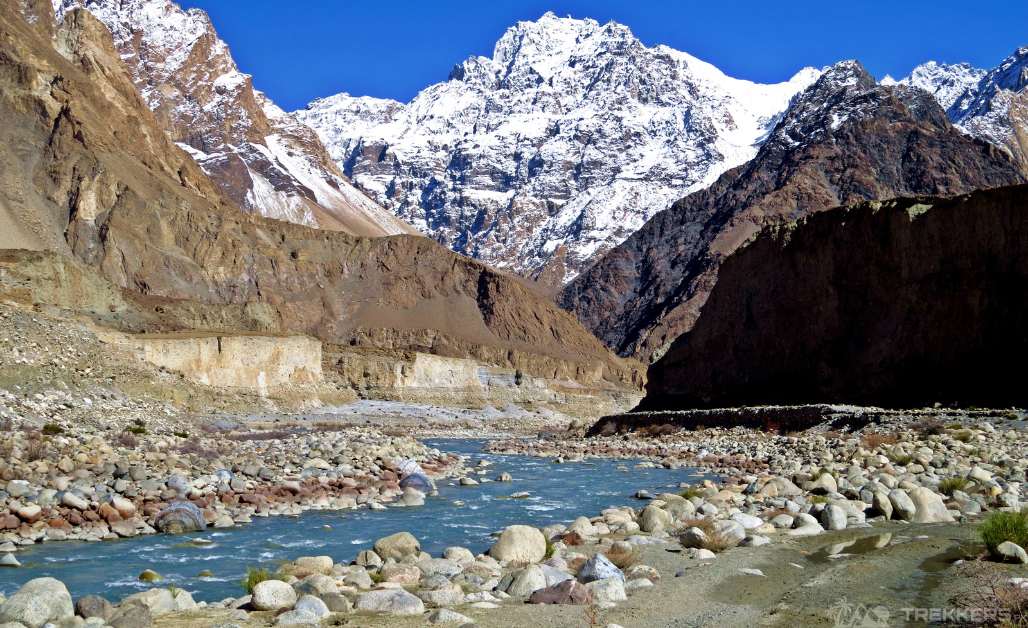
Shimshal previously known as Shingshal, is a village located in the Gojal tehsil of the Hunza District, Gilgit Baltistan Pakistan. With an altitude of 3,113 meters above sea level, it is the highest settlement in the district. The stunning Shimshal Valley is situated in one of the remotest parts of North Pakistan Karakoram Range. Trek to Shimshal Chafchingol Pass; one of the main passes of Shimshal. It is adventurous and one of the most popular tourist attractions.
The enthralling beauty of Shimshal has always fascinated me and visiting there has always been a dream. So, during my summer break, I decided to take a solo trekking trip to Shimshal Valley. I hired an authentic tour company and started my thrilling journey when I landed at Islamabad airport.
After a short yet pleasing stay in Islamabad and Rawalpindi, where we got the privilege to explore the city. We visited the entrancing Faisal Mosque, Pakistan Monument, and Raja Bazaar I, along with other extremely friendly tourists commenced our drive towards Chilas.
The 7-hour drive to Chilas through Naran via Mansehra-Naran-Jalkhad and then via Babusar pass (4,173 meters) from Naran was full of incredible landscapes and breathtaking views. Including multiple stops for refreshments, we also passed Karimabad. There we witnessed the most breathtaking and picturesque view of the junction point of three great mountain ranges; the Karakoram, Himalayas, and Hindukush.

From Karimabad, we had yet another 4 to 5-hour drive, where we were able to visit the enchanting Attabad lake, the delightful Gulmit village, the beautiful Hussaini suspension Bridge Passu, and Batura glacier. Finally, we arrived at the striking destination that was the sole reason for this entire trip.
Witnessing the striking beauty of Shimshal Valley was a surreal moment. The view of the majestic mountains like Distaghil Sar (7,885 m), Shimshal White Horn (6,303 m), Minglik Sar (6,050 m), Lupghar Sar (7,200 m) and more all around the village was truly breathtaking. The lush greenery, the turquoise, and the colorful village made the view more magnificent. After camping underneath, the entrancing sky for a night, we started our trekking journey.
The people there were extremely warm and welcoming. Their culture, food, and even day-to-day activities intrigued me. The Wakhi people are known for their mountaineering skills as they have produced several talented mountaineers for Pakistan.
After reveling in the beauty of Shimshal Valley and having breakfast we started trekking to Zardgarben. After 4 to 5 hours of trekking with multiple stops, we reached The Zardgarben campsite. It is to this day one of the most eye-pleasing campsites I have ever had the privilege to stay at. With the greenery and the mountains, it was truly indeed a remarkable sight. After having an entertaining day at the football field in Zardgarben, we continued our expedition. Then next after a 4 to 5 hours and a 527 m ascent, we reached the Jafervask campsite to stay for the night.
The next morning, we had to trek for a total of 10 to 11 hours. It was through the arresting landscape of Perchodwashk and War-e-Ben campsites. Then only, we reached the strikingly beautiful Chafchingol base camp.
Shimshal Valley has multiple main passes like Chafchingol, Kurdopin, Braldu, Odver, and more. From the camp, we trekked to the 4,735 meters high Chafchingol pass. The pass lies on the watershed between the Indus River and Tarim River basins. It leads to the valley of the Shimshal Braldu River, a tributary of the Shaksgam River on the border with China. After basking in the beauty of the Chafchingol pass we trekked for almost 7 hours for a breathtaking view of Koksil River.

The river was stunning and added to the natural beauty of the region. The crystal-clear river flows through beautiful valleys offering a breathtaking view. The peaceful environment there was addicting. After having our refreshments there, we trekked to our last trekking spot, Passu.
Passu is a small village located in Gojal Valley, Gilgit. It is one of the most popular tourist destinations in Pakistan and even all over the world because of its easily accessible landscapes like 24,534 ft. tall Passu Sar mountain and the beautiful Passu glacier.
From Passu, we drove back to Karimabad via Attabad Lake and then to Naran via Babusar Pass. Our tour company settled us into a hotel for the day. After our short stay in Naran, we drove back to Islamabad for our flight back home.
This trekking journey was one of my favorites because of the beauty that I got to witness on this moderately difficult trek. The experience was thrilling yet peaceful at some points. So, if you are planning to take a trip to appreciate the beauty of nature and have an exhilarating journey.


