
Table of Contents
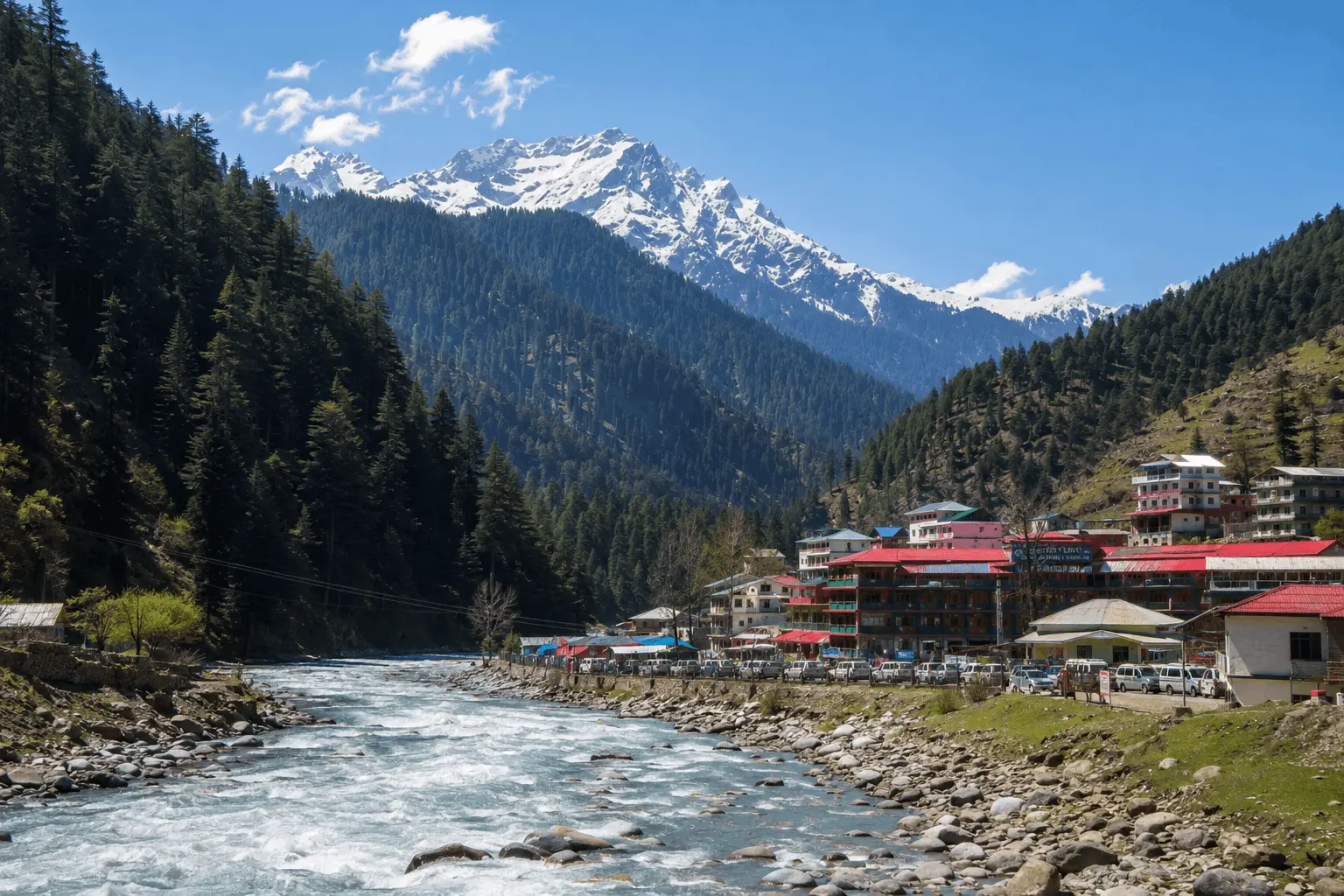
Kalam Valley sits at roughly 2,000 meters (6,600 feet) in Upper Swat, Khyber Pakhtunkhwa, about 99 km north of Mingora. It’s one of Pakistan’s most visited mountain destinations, known for pine forests, glacial lakes, and views of Falak Sar peak at 5,918 meters. If you’re deciding whether Kalam is worth the trip in 2026, the short answer is yes but timing, road conditions, and realistic expectations matter more than most guides admit.
This guide covers everything you need to plan the trip properly: where Kalam is, how to get there, what it costs, when to go, and which spots actually live up to the hype.
Where Is Kalam Valley Located?
Kalam is a valley town in the Swat Kohistan region, part of Upper Swat District in Khyber Pakhtunkhwa province. It marks the point where the Swat River forms from the confluence of the Gabral and Ushu rivers. The Gawri people are the valley’s original inhabitants, and Gawri remains the dominant local language alongside Pashto and Urdu.
Geographically, Kalam functions as a gateway rather than a single destination. Most of what travelers come to see Mahodand Lake, Ushu Forest, Matiltan, Utror, Gabral lies within a 10 to 40 km radius of Kalam bazaar, reachable by jeep rather than the main highway.
Distance From Major Cities
| From | Approx. Distance | Estimated Travel Time |
|---|---|---|
| Bahrain | 59 km | 1.5 – 2 hours |
| Mingora (Swat) | 99 km | 3 – 4 hours |
| Malam Jabba | 120 – 125 km | 4 – 5 hours |
| Peshawar | 270 – 300 km | 6 – 7 hours |
| Islamabad | 320 – 330 km | 7 – 8 hours |
| Balakot | 280 – 310 km | 7 – 8 hours |
| Naran | 300 – 340 km | 7 – 9 hours* |
| Faisalabad | 580 – 620 km | 10 – 12 hours |
| Lahore | 650 – 670 km | 12 – 14 hours |
| Karachi | 1,550 – 1,650 km | 24 – 28 hours (by road) |
Most travelers reach Kalam via Islamabad or Peshawar, then connect through Mingora. The road from Mingora to Kalam is metalled but narrow, and travel time depends heavily on weather and traffic during peak season. Reaching individual attractions beyond Kalam bazaar Mahodand Lake, Kundol Lake, Matiltan requires a separate 4×4 jeep, since these roads are rough jeep tracks, not paved highways.
Naran to Kalam Link: Traveling between Naran and Kalam requires switching mountain corridors. In summer, the shortest connection is via the winding Shangla Pass route (linking Besham to Upper Swat). Year-round, the most reliable route is backtracking south toward M-1/Hazara Expressway and using the Swat Expressway.
Long-Distance Travel (Faisalabad, Lahore, Karachi): Travel times for these cities depend heavily on motorway traffic and can increase by 2 to 4 hours during peak summer weekends or Eid holidays.
Weather Delays: During the monsoon season (July–August) and winter snowfall months, travel times can vary significantly due to sudden landslides or road maintenance. Always build a buffer day into your itinerary.
Best Time to Visit Kalam

May through September is the practical answer for most travelers, with June to August as the peak window.
- Summer (June–August): Warm days, cool evenings, full road access, and the greenest scenery. This is also the most crowded and expensive period expect higher hotel rates and traffic on the Mingora–Kalam road.
- Autumn (September–October): Fewer crowds, golden foliage, and comfortable trekking temperatures. Many experienced visitors consider this the best balance of weather and quiet.
- Winter (November–February): Kalam gets genuine snowfall, often heavy, and the landscape turns into a proper alpine scene. The tradeoff is real: roads to Mahodand Lake, Kundol Lake, and other outlying spots frequently close, and some hotels reduce services or shut entirely.
- Spring (March–April): Transitional and less predictable snowmelt can make jeep tracks muddy or temporarily impassable.
If snowfall is your priority, target December through February and confirm road status before committing to a lake trip, since heavy snow regularly cuts off access to Mahodand and Kundol lakes.
Kalam Weather by Month
Kalam (Swat) has a humid continental climate. January is the coldest month, averaging around 1.5°C, while July is the warmest, averaging roughly 24°C. Annual rainfall averages about 639 mm, with April the wettest month and November the driest. Daily temperature swings are significant even in summer, expect chilly nights, so pack layers regardless of season.
Weather conditions in the mountains can change quickly, particularly during spring and the monsoon period. A lightweight waterproof jacket and sturdy footwear are useful even if the forecast predicts clear skies.
Top Places to Visit in Kalam Valley

Mahodand Lake
The single most photographed spot in the region, Mahodand sits about 35–40 km from Kalam via jeep track in the Ushu sub-valley, at the base of the Hindu Kush range. It’s genuinely striking glacier-fed, ringed by meadows but it’s also the most crowded lake in the valley during peak season, and trash accumulation is a documented problem locals and repeat visitors flag often. Boating is available, but there have been safety incidents involving local boat operators, so check that life jackets are actually provided before getting on the water.
If you’re visiting in July or August, leaving Kalam Swat shortly after sunrise usually results in a quieter experience and clearer reflections on the lake before tour groups arrive. Mobile coverage also becomes less reliable along the route, so downloading offline maps in advance is a sensible precaution.
Ushu Forest
A dense deodar and pine forest roughly 5–8 km from Kalam bazaar, easily reached by jeep or even on foot for the fitter traveler. This is a lower-effort, high-reward stop good for short hikes, picnics, and photography without the crowds or distance of Mahodand.
Early morning is generally the best time for photography, when soft light filters through the tall deodar trees and visitor numbers remain low. The forest is also one of the easiest natural attractions around Kalam for families with children or travelers who prefer minimal walking.
Kundol Lake
Located north of Utror, about 19 km from Kalam, Kundol sits at roughly 9,950 feet and requires a moderate-to-difficult hike from Utror village rather than a direct jeep ride. This filters out casual tourists, so if you want an alpine lake without the Mahodand crowds, Kundol is the better trade, provided you’re reasonably fit and comfortable with a few hours of uphill trekking.
Matiltan Valley
About 11 km from Kalam on the way toward Mahodand, Matiltan offers unobstructed views of Falak Sar peak and a smaller waterfall. It’s often treated as a drive-through stop rather than a destination, but the photography here is arguably better than at the more crowded lakes.
Izmis Lake
For experienced trekkers only. Izmis requires a full-day trek and is far less developed than Mahodand or Kundol, which is exactly its appeal minimal tourist infrastructure and an untouched alpine setting.
Utror and Gabral Valleys
Quieter than Kalam bazaar, these valleys offer greener fields, trout fishing, and homestay-style accommodation. They also serve as the access point for Kundol Lake and Spinkhor Lake, and are a reasonable base if you want to avoid Kalam’s peak-season crowding altogether.
Other Notable Lakes
Saifullah Lake, Spinkhor Lake, Daral Lake, and Bashigram Lake round out the region’s alpine lake cluster, each varying in accessibility from an easy jeep ride to a demanding independent trek.
Where to Stay in Kalam: Best Hotels & Resorts

Accommodation ranges from basic guesthouses to mid-range hotels; there are no true luxury international-brand resorts in Kalam itself. Expect wooden cottage-style properties and riverside hotels rather than five-star chains.
Commonly mentioned options include Walnut Heights, Royal Continental Hotel, Greens Hotel, and Hotel Pine Hills. Since hotel quality, management, and guest experiences can change over time, it’s worth checking recent guest reviews, current photos, and available amenities before making a reservation. Rates and availability also shift sharply with the season during Eid holidays and peak summer, rooms sell out fast, and prices climb accordingly. Booking a few weeks ahead for summer travel, or at least confirming availability by phone, helps avoid limited availability and higher last-minute prices.
A practical note most guides skip: electricity and hot water can be inconsistent, especially outside peak season or after heavy snow. If you’re traveling with young kids or in winter, ask specifically about heating and backup power before booking.
During the busiest summer weekends and Eid holidays, arriving without a confirmed reservation often leaves travelers with fewer accommodation choices and noticeably higher prices, making advance booking worthwhile.
| Accommodation Type | Typical Price (PKR/Night) | Approx. USD* | Best For |
|---|---|---|---|
| Budget Guesthouse | PKR 2,000 – 4,000 | $7 – 14 | Budget travelers & backpackers |
| Standard Hotel | PKR 4,000 – 8,000 | $14 – 28 | Couples & small families |
| Premium Hotel / Cottage | PKR 8,000 – 15,000+ | $28 – 53+ | Families & travelers seeking extra comfort |
Hotel prices vary considerably depending on the season, weekends, and public holidays. During July, August, and Eid holidays, rates can increase by 30 – 50%, while off-season travelers often find lower prices and better room availability.
How to Reach Kalam

Most travelers fly or drive into Islamabad, then take the M-1 Motorway and transition onto the Swat Expressway (M-16) at the Colonel Sher Khan Interchange straight to Mingora. If you are opting for public transport, regular coasters and shared Hiace vans run daily from Mingora’s main terminal to the Kalam Bazaar terminal.
However, these local vans only drop you at Kalam bazaar. To reach any of the outlying natural attractions such as Mahodand Lake, Ushu Forest, or the Kundol trekking starting point public transport is not available. You must hire a private local 4×4 jeep from the Kalam bazaar stand. Negotiating the day rate upfront with the driver is standard practice, as these vehicles do not operate on fixed meters.
If you’re visiting in July or August, leaving Kalam shortly after sunrise usually results in a quieter experience and clearer reflections on the lake before tour groups arrive. Mobile coverage also becomes less reliable along the route, so downloading offline maps in advance is a sensible precaution.
Before you leave, open the Islamabad to Kalam Valley route on Google Maps and download it for offline use. Mobile coverage becomes less reliable in some mountain sections, so offline navigation can be helpful during the journey.
Things to Do in Kalam
- Trekking and day hikes — routes to Kandol, Spinkhor, and Desan Meadows range from moderate to strenuous, with some climbs exceeding 3,600 meters where altitude becomes noticeable.
- Boating and fishing — primarily at Mahodand and Kundol lakes.
- Horse riding — commonly offered in Ushu and Utror valleys.
- Photography — Matiltan, Ushu Forest, and Desan Meadows consistently outperform the more crowded lakes for uncluttered shots.
- Cultural exploration — local bazaars, Gawri and Pashtun crafts, and home-cooked meals if a local host offers one.
- Kalam Summer Festival — usually held in July or August, featuring folk music, jeep rallies, paragliding, and local food stalls. Worth timing your trip around if cultural events interest you more than solitude.
Suggested 3-Day Kalam Itinerary
Day 1: Arrive in Kalam, explore Kalam Bazaar, visit Ushu Forest, and enjoy the riverside in the evening.
Day 2: Hire a jeep for Mahodand Lake, stopping at Matiltan and other scenic viewpoints along the route before returning to Kalam.
Day 3: Trek to Kundol Lake if you’re comfortable with moderate hiking, or spend the day exploring Utror and Gabral valleys before beginning your return journey.
Kalam Food and Local Culture
The food here leans heavily on Swati and Pashtun cuisine: chapli kebab, trout fresh from local rivers, dum pukht, pulao, and traditional breads, often accompanied by local honey and seasonal fruit. Trout in particular is a local specialty worth prioritizing, since the rivers around Kalam (Swat) are genuinely stocked and fresh-caught fish shows up on most menus.
Locals are predominantly Gawri-speaking, with Pashto and Urdu widely understood. Hospitality runs deep being invited into a local home for tea or a meal isn’t unusual, and accepting it respectfully is one of the more memorable parts of visiting.
Is It Safe to Visit Kalam in 2026?
Yes, the main tourist areas of Swat and Kalam are considered safe for domestic and foreign travelers. Security improved significantly after military operations against militant groups in the region years ago, and Kalam bazaar and its immediate surroundings see regular tourist traffic without incident.
That said, a few practical cautions genuinely matter:
- Road conditions can deteriorate quickly after heavy rain or landslides, particularly between Bahrain and Kalam. Checking current road updates before departure and avoiding unnecessary night driving makes the journey considerably safer.
- Boat safety at Mahodand Lake has been inconsistent; confirm life jackets are provided.
- Swat is a conservative region modest dress, no public displays of affection, and asking permission before photographing local women are basic expectations, not optional courtesy.
- More remote valleys occasionally see localized disputes; sticking to established tourist routes and using local guides for treks avoids most issues.
Sample Kalam Budget (Per Person, Mid-Range)
| Expense Type | Estimated Cost (PKR) | Type / Frequency |
| Transport (Islamabad to Kalam) | PKR 1,500 – 3,000 | Shared Van (One Way) |
| Jeep Hire (For Lake Trips) | PKR 3,000 – 6,000 | Per Day (Shared among group) |
| Guesthouse Room | PKR 2,000 – 6,000 | Per Night (Depends on season) |
| Meals / Food | PKR 800 – 1,500 | Per Day / Per Person |
| Entry & Activity Fees | PKR 500 – 2,000 | Boating, Guide Fees, etc. |
Budget travelers can realistically do a 3-day Kalam trip for PKR 15,000 – 25,000 excluding long-distance transport from cities like Lahore or Karachi.
Common Mistakes First-Time Visitors Make
- Not budgeting extra travel time. Roads to Kalam and its surrounding lakes are frequently affected by traffic, weather, or minor landslides build in a buffer day.
- Skipping jeep negotiation. Fixed pricing is rare; agree on a day rate before departure to avoid disputes later.
- Underestimating altitude and cold. Even summer evenings drop sharply in temperature, and treks above 3,000 meters can cause mild altitude discomfort for unacclimatized visitors.
- Assuming all lakes are equally accessible. Mahodand is a jeep ride; Kundol and Izmis require real hiking. Match your itinerary to your fitness level.
- Ignoring peak-season booking. Showing up without a reservation during Eid or July–August often means settling for whatever room is left, at inflated rates.
What to Pack for Kalam Valley
For most visitors, packing a few practical essentials makes the trip far more comfortable than simply bringing extra clothes. Weather changes quickly in the mountains, evenings remain cool even during summer, and basic facilities may not always be available outside Kalam bazaar.
- Lightweight waterproof jacket
- Warm fleece or insulated layer
- Comfortable trekking shoes
- Power bank
- Sunglasses and sunscreen
- Reusable water bottle
- Personal medicines
- Cash for jeep rentals and small shops
- Offline maps downloaded before arrival
Frequently Asked Questions
Is there snowfall in Kalam?
Yes. Kalam gets significant snowfall between December and February, transforming the valley into a snowy landscape. Heavy snow can close roads to outlying lakes, so confirm access before planning a winter lake visit.
How far is Kalam from Islamabad?
Around 270–340 km, typically taking 7–8 hours by road depending on route and conditions.
What is Kalam’s elevation?
Kalam sits at approximately 2,000 meters (6,600 feet) above sea level.
Is Kalam worth visiting in 2026?
What is the local language in Kalam?
How many days do you need in Kalam?
Three to four days is enough to cover Ushu Forest, Mahodand Lake, and one additional trek such as Matiltan or Kundol Lake without rushing.
Can families travel to Kalam with children?
Yes. Ushu Forest, Mahodand Lake (with caution around boating), and Kalam bazaar are family-friendly with minimal physical demands. More strenuous treks like Kundol or Izmis lakes are better suited to older kids or fit adults.
What is the famous food in Kalam?
Fresh trout, chapli kebab, dum pukht, and traditional pulao are the standout local dishes, often served alongside regional breads and honey.
Is Kalam the same as Swat?
No. Swat is the broader district and valley; Kalam is a specific town and sub-valley within Upper Swat, roughly 99 km north of Mingora, the main city of Swat.


This Post Has One Comment