
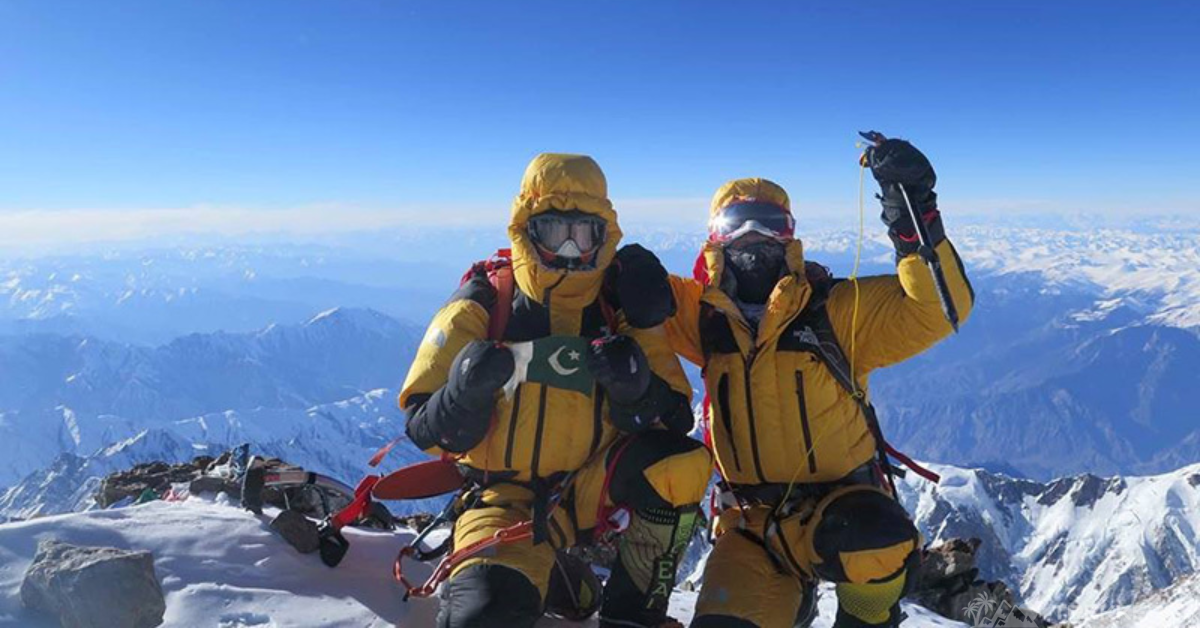
February 26, 2016 became a significant day in history when Ali Sadpara, Alex Txikon, and Simone Moro made a winter ascent of Nanga Parbat. By being the first climbers ever to make it to the top of the Killer Mountain in the extreme cold, they showed the world that nothing is impossible if you are determined enough.
The team faced extreme cold while covering perilous terrain, making the already gruesome journey harder. Not only their physical strength was tested but they were challenged mentally too. Ali Sadpara and his brilliant team still managed to push through as their resoluteness overruled everything else.
Nanga Parbat, being the ninth-highest mountain in the world, makes it one of the most significant climbs of many mountaineers. Mountaineers widely regard the ascent of Killer Mountain, notorious for its extreme difficulty, as one of the most impressive challenges one could undertake in the mountaineering world.
The 8,126 m peak, nestled in the westernmost part of the Himalayan range is up there with K2, being the deadliest mountain ever to exist. Climbing the Nanga Parbat even in the recommended weather is full of risks and unforeseeable peril. The heroes of the Climbing world, Ali Sadpara and his team with constant hard work were able to be the first ones to climb the eight-thousander in frigid winters.
Ali Sadpara and his team attempted to climb the King of Mountains for the first time in 2015. But they unsuccessfully returned to the ground. In 2016, the team was successful and became the first climbers to ever reach the top during winter. Ali Sadpara was a famous Pakistani mountaineer known for his exceptional contributions to the mountain climbing world. His usual team consisted of his son Sajid Sadpara, Icelandic mountaineer John Snorri, and Chilean mountaineer Juan Pablo Mohr. All of their spirit and experiences helped them to conquer some of the most dangerous peaks together.
While climbing during the freezing weather, their team had to suffer extreme natural calamities quite a lot. From harsh bone-chilling temperatures to persistent snowstorms, treacherous terrain, scarcity of oxygen, and the constant threat of rockfall and avalanches, they were the victims of almost everything.
Other than the physical stress, the mental stress was also apparent. But their strong will and pure enthusiasm motivated them to continue their journey.
Since 1988-89, approximately 31 teams attempted to climb the Killer Mountain but were unsuccessful in doing so. This historical journey started when two Italian mountaineers Moro and Lunger met Ali Sadpara and Spaniard Txikon at Camp 2.
On February 24, the team climbed up to camp 3 (6,700 m) while encountering strong winds too. After acclimatizing for a while, they reached camp 4 (7,100 m) at the edge of Bazhin Basin. Their venture to the summit started at 6 a.m. The next day they had to climb the rockiest part of the mountain.
At this point, almost all of them were suffering from altitude sickness or extreme fatigue. But still they chose to continue as they were determined to complete this exhilarating journey. On February 26, 2016, they were able to call themselves the first mountaineers during the winter ascent of Nanga Parbat.
Their previous failed attempts in climbing the Killer Mountain proved to be beneficial. As it provided them with significant information only experience can withhold. The constant resilience and determination of Ali Sadpara and the whole team pushed them to continue even when they were struggling.
Not climbing during April and May already makes the route significantly harder and only 27 people until now have climbed 8,000 m peaks during winter. Marianne Chapuisat is the only woman who has climbed an eight-thousander during winters.
A winter ascent holds more significance to mountaineers as the savage weather makes it much more intense. It also increases the risk of hypothermia and frostbite. Ali Sadpara even suffered from frostbite and altitude sickness during one of his failed attempts. Due to him showing signs of altitude sickness, the team decided to descend just miles away from the summit.
It is integral to put your health and safety above everything, Ali Sadpara and his team’s journey to the top proves it too. They gave up on their trip even being so close to the summit because their health was at risk. Having a balance of optimism and realism along with patience will take you to the top of the Nanga Parbat. So, to successfully attempt a winter ascent of Nanga Parbat or any other eight-thousander Ali Sadpara’s journey is a guidebook that can lead you to the top.
To learn more about the weather of Nanga Parbat, check this article out:
How to Encounter the Frigid and Erratic Weather of Nanga Parbat
Check out this article to learn about more iconic winter ascents:First Winter Ascent of Nanga Parbat by Ali Sadpara Team


