
Table of Contents
A Valley That Earns Its Reputation
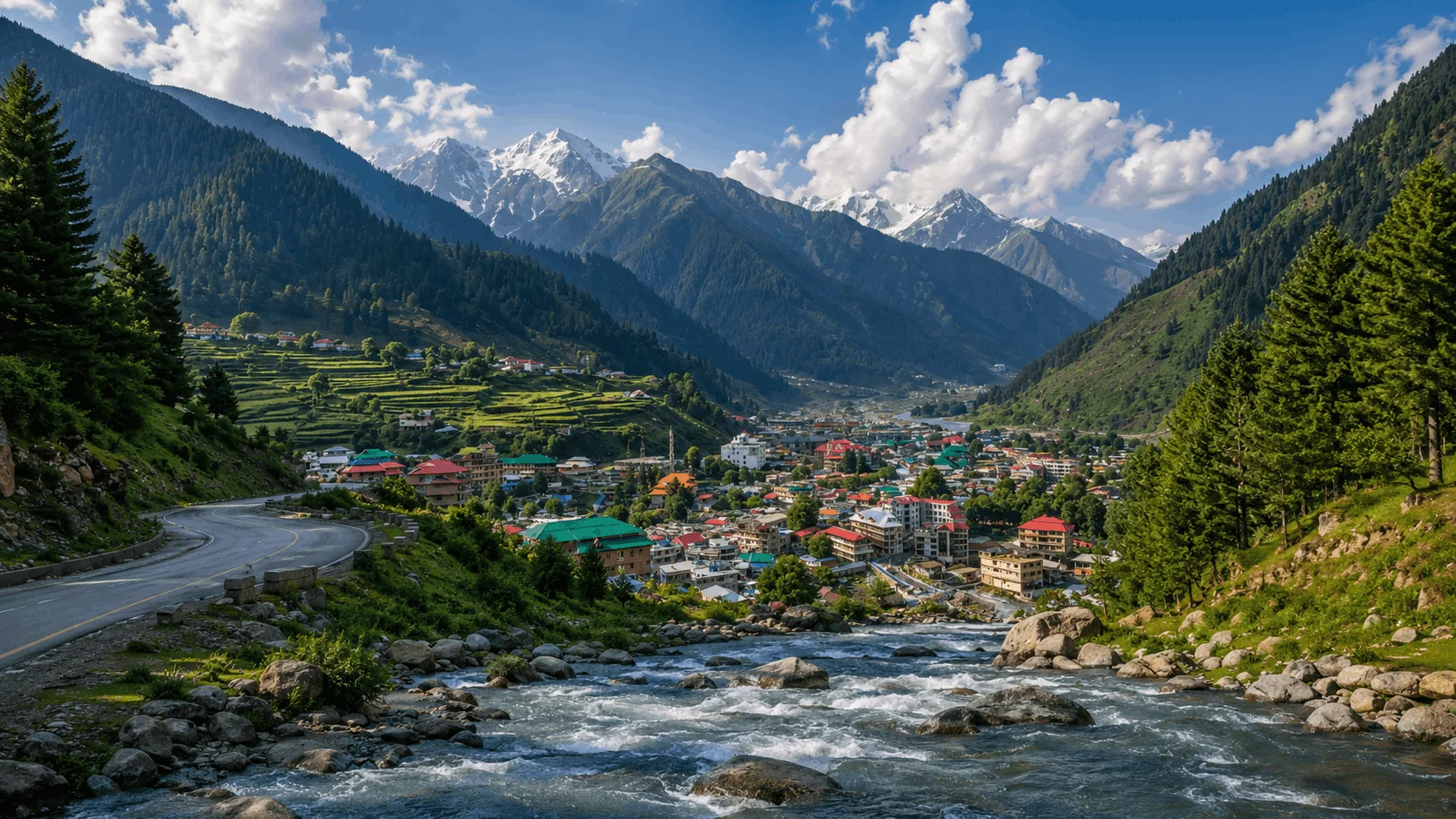
There’s a moment on the drive into Kaghan Valley when the road narrows, the Kunhar River appears below you, and the mountains close in from both sides. You understand, without needing anyone to explain it, why Pakistanis have been making this journey for generations.
Naran Valley sits at 2,409 meters in Khyber Pakhtunkhwa’s Kaghan region, roughly 285 kilometers from Islamabad. You can drive from the capital in a single day, yet its highest lakes see only a fraction of the crowds that swamp better-known destinations. That balance genuine accessibility meeting genuine altitude is what separates Naran from comparable valleys in the region.
3 lakes anchor the experience: Saif-ul-Malook, beloved and rightfully famous; Lulusar, arguably the most dramatically blue; and Ansoo Lake, a tear-shaped body of water at 4,126 meters that rewards only those willing to work for it. Add Babusar Top, Siri Paye meadows, and the Kunhar River gorges, and you have a valley that fills three days easily and ten days without strain.
This guide gives you honest assessments, realistic 2026 costs, and the kind of practical advice that helps you make real decisions.
Quick Facts
| Quick Fact | Details |
|---|---|
| 📍 Location | Kaghan Valley, Khyber Pakhtunkhwa |
| ⛰️ Elevation | 2,409 m |
| 🚗 Distance from Islamabad | 285 km (7 – 9 hrs) |
| 🌸 Best Time to Visit | May – June, September – October |
| 📅 Ideal Trip Length | 3 – 7 Days |
| 👨👩👧👦 Family Friendly | Yes |
| 🚙 4×4 Required? | For Saif ul Malook, Babusar & off-road routes |
| 💰 Estimated Budget (7 Days) | PKR 78,000 – 600,000+ |
When to Visit Naran Valley
May and early June offer the best overall conditions. Wildflowers are at peak bloom, roads are fully open, temperatures are comfortable, and high-altitude tracks are accessible. Prices run 20 to 30 percent higher than shoulder season a reasonable trade for reliability.
September to early October is the quieter, more atmospheric alternative. Crowds thin significantly, accommodation rates drop, and the light shifts to a long golden quality that photographers specifically plan around. Some tour operators begin winding down after mid-October, making early September the safer window.
July and August are peak season in every sense: warmest temperatures, most stable conditions for high-altitude destinations, and the heaviest tourist traffic. If you want to attempt Ansoo Lake, these months give the most reliable trekking weather. If crowds bother you, this is the window to avoid.
Avoid December through April entirely. Roads close above 2,000 meters due to snow accumulation and avalanche risk. This is not a soft advisory it is a mandatory shutdown with genuine safety implications. Attempting closed routes is dangerous.
Late April is worth a note: the valley turns dramatically green and rain-washed, and some visitors find it beautiful. But high-altitude jeep tracks may still be closed after winter, and rain is frequent enough to disrupt plans. If you travel then, verify road status before booking anything.

Getting to Naran
From Islamabad: Take the Hazara Motorway to Mansehra, then follow the main Kaghan Valley road through Balakot to Naran. The 285-kilometer drive takes 7 to 8 hours in normal conditions and 9 to 10 hours in peak season traffic.
View Islamabad to Naran Route on Google Maps ↗️
The road from Islamabad to Balakot is well-maintained dual carriageway. Beyond Balakot, the highway becomes a winding mountain road with sharp bends, steep gradients, and several seasonal glacier crossing points near Mahandri and Battakundi. Early in the summer, melting snow can temporarily damage short sections of asphalt, creating muddy patches and slower traffic. Road conditions generally improve as the season progresses. A standard sedan manages this section without difficulty. The jeep tracks beyond Naran town toward Babusar Top, Lulusar Lake, and Saif-ul-Malook require 4×4 vehicles.
From Lahore: Take the M2 Motorway toward Islamabad, then follow the Islamabad route. Total driving time is 11 to 13 hours, making an overnight stop in Mansehra or Abbottabad sensible rather than heroic.
View Lahore to Naran Route on Google Maps ↗️
Departure timing: Leave Islamabad no later than 5 AM to arrive before dark with margin to spare. Night driving on mountain roads is not dangerous per se, but it removes the visibility and reaction time you want on unfamiliar terrain.
Fuel: Fill up in Mansehra or Balakot. Naran’s fuel supply is inconsistent, and when available, prices are higher than the plains. From late May until Babusar Pass closes in autumn, many travelers use Naran as a transit stop while continuing toward Gilgit Baltistan via Babusar Top. Before the pass opens each year, northbound traffic must instead use the Karakoram Highway through Kohistan, making the journey considerably longer.
Naran vs. Other Pakistani Mountain Valleys
Different valleys suit different travelers. Here is an honest comparison to help you decide.
Naran (Kaghan Valley): The best combination of accessibility and alpine variety. Three significant lakes, a high-altitude pass, and meadows all within reach of Islamabad without a flight. Suited to families, first-time mountain visitors, and anyone with limited time who wants diverse scenery.
Hunza Valley (Gilgit-Baltistan): Higher peaks, more dramatic landscapes, and a distinct Burusho culture that adds a layer Naran cannot match. Best for travelers who want prolonged high-altitude immersion and can commit to a flight to Gilgit or a long overland journey. Rakaposhi and Ultar Sar dominate the skyline in ways that no Kaghan Valley peak quite replicates.
Kalam (Swat Valley): More accessible from Peshawar and central Punjab, comparably green, and somewhat less commercialized than Naran at equivalent price points. Best for travelers seeking forested river scenery without the jeep-track intensity. Ushu and Mahodand lakes offer genuine solitude.
Neelum Valley (Azad Kashmir): Arguably the greenest valley in Pakistan, with a river that runs alongside the road for much of its length. Infrastructure is less developed than Naran. Suited to those who prioritize scenic drives and are comfortable with longer travel times from Islamabad via Muzaffarabad.
Skardu (Gilgit-Baltistan): The base for serious trekkers heading toward K2, Concordia, and Hushe Valley. Culturally and geographically distinct from Kaghan Valley. Skardu is not a casual alternative to Naran it is a different category of journey entirely, best approached with more time and more deliberate planning.
The practical takeaway: if you have 3 to 7 days and want maximum variety without a flight, Naran is the right choice. If you have 10 or more days and want deeper immersion at altitude, combine Naran with Hunza or Fairy Meadows.
Attractions: Honest Assessments

Saif-ul-Malook Lake
Saif-ul-Malook is the lake that appears on every poster, and the posters do not exaggerate. What they fail to convey is how dramatically the water changes color as clouds move across Malika Parbat’s flanks from deep cobalt to pale teal within minutes, sometimes within seconds. Photographs come close, but the actual scale of the scene is something visitors consistently underestimate.
The lake sits 9 kilometers from Naran at 3,224 meters. Getting there requires a jeep a 45-minute ride on a rough but manageable track. Private jeep hire costs approximately 4,000 to 7,000 PKR depending on season and negotiation; shared jeep seats run 600 to 1,000 PKR per person. Budget extra to have a driver wait, or arrange a return pick-up time.
Plan to spend at least 4 hours at the lake. If you have to choose between arriving early or staying later, choose the afternoon. As the crowds begin to leave and the light shifts across Malika Parbat, the lake changes character completely, making the wait worthwhile.
Most first-time visitors arrive, photograph the water, and leave within an hour. The lake’s character reveals itself with patience: the stillness before boat operators arrive, the way afternoon winds animate the surface, the mountains reflected in the half-hour before clouds build. Rowboat rental costs approximately 800 to 1,500 PKR per hour. The water temperature stays around 10 to 12 degrees Celsius even in August, which makes extended swimming uncomfortable for most people regardless of how inviting the color looks.
The lake appears in Urdu Sufi poetry and carries cultural significance beyond its scenery. Local boat operators often know its history well. Even basic Urdu makes these conversations possible.
Who should visit: Everyone. This is Naran’s essential experience, accessible to families with children aged 7 and above.
Common mistake: Arriving at 9 AM and leaving by 10:30. The lake’s most striking light is typically late afternoon, and morning crowds are heavier than many visitors expect.
Insider Tip: If you’re hiring a private jeep, agree on the return time before leaving Naran. Many visitors assume the driver will wait, only to discover later that another booking has already been accepted.

Ansoo Lake
Ansoo Lake is not for everyone, and that’s precisely what makes it worth knowing about.
At 4,126 meters, it’s one of the world’s highest tear-shaped lakes, accessible only by a 7 to 8 hour round-trip trek from Saif-ul-Malook. The route climbs through alpine meadows and across exposed ridgelines. The final approach is steep enough to test the legs and, for anyone with sensitivity to heights, the nerves.
The reward is proportional. While Saif-ul-Malook sees heavy visitor traffic during peak months, Ansoo receives a fraction of that. At its frozen edge in July with no infrastructure, no crowds, and nothing man-made visible in any direction the experience is qualitatively different from a lake you drove to.
Even experienced hikers benefit from hiring a local guide. Besides navigation, guides understand changing weather, stream crossings, and how to pace the climb at high altitude, which makes the trek noticeably safer and more enjoyable. Approximately 2,500 to 4,000 PKR per day. Stream crossings and safe ice identification at altitude are not intuitive for first-time visitors. Guides can be arranged through your guesthouse; those recommended by established properties are generally reliable.
Watch for altitude sickness symptoms above 3,500 meters: persistent headache, nausea, unusual fatigue, loss of coordination. If symptoms worsen, descend the situation does not improve with willpower.
Who should attempt this: Physically fit adults comfortable with sustained uphill hiking and occasional exposure to steep terrain. Not suitable for children or anyone with cardiovascular or respiratory conditions not cleared by a doctor.

Babusar Top
Babusar Top is a mountain pass at 3,480 meters connecting Khyber Pakhtunkhwa to Gilgit-Baltistan. It’s the highest point most visitors reach by vehicle, and on a clear day the view explains why the drive is worth doing.
You’re standing on a watershed boundary: precipitation on one side drains toward the Arabian Sea; on the other, it eventually reaches the Indus. The landscape transitions sharply around 3,000 meters sparse tundra, exposed rock, and sudden views of peaks that were hidden on the climb. On exceptionally clear mornings, Nanga Parbat is sometimes visible to the north.
The drive from Naran to Babusar Top generally takes around 2 to 2.5 hours, depending on traffic, road conditions, and seasonal glacier crossings. Travelers usually pass Lulusar Lake along the way, making it easy to combine both destinations into a single day trip. Local drivers handle the descent better than first-time visitors; brake management on long switchbacks is a skill, not instinct. Full-day private jeep hire runs approximately 7,000 to 10,000 PKR. The pass is reliably open mid-May through mid-October; verify current status before traveling in shoulder months.
A basic tea house at the top provides hot drinks and simple food. Bring your own snacks and water regardless.
Who should visit: Anyone traveling with a camera, anyone curious about the physical geography of the Karakoram-Hindu Kush-Himalayan junction, and anyone who finds the drive itself as satisfying as the destination.

Lulusar Lake
Lulusar Lake is the least talked-about of Naran’s major lakes and, in certain light, the most visually striking.
At 3,410 meters and 50 km from Naran, it’s the largest alpine lake in Kaghan Valley. The intense blue-green color comes from glacial flour ultra-fine rock particles suspended in meltwater and the effect is more saturated than photographs typically convey. The Kunhar River emerges from a cave system at the lake’s southern end, a geological feature that local guides discuss with the kind of genuine enthusiasm that makes their explanations worth hearing.
The paved road makes Lulusar reachable in a standard car, though jeeps handle the route more comfortably. The journey from Naran usually takes around 1.5 to 2 hours, depending on traffic and seasonal road conditions. Continuing from Lulusar to Babusar Top typically adds another 30 to 45 minutes.
Organized camping near Lulusar costs approximately 2,000 to 4,000 PKR per night including meals and equipment. Sunrise over the lake from a tent is among the best experiences Kaghan Valley offers.
Who should visit: Photographers, wildlife enthusiasts, and anyone who finds the crowds at Saif-ul-Malook disproportionate to the experience.

Siri Paye Meadows
Siri Paye offers something different: pastoral space rather than alpine drama. At 2,590 meters, accessed via Shogran village 34 kilometers before Naran, it’s open meadows, scattered pine groves, and views toward Makra Peak rather than glacial lakes and exposed ridgelines.
What the meadows deliver is harder to photograph but easier to sit with. Wildflowers bloom prolifically from June through August. Horseback riding costs approximately 600 to 1,200 PKR per hour. The night sky, far from significant light pollution, is clear enough that the Milky Way is visible with naked eyes a detail worth planning around if you’re camping.
The jeep track from Shogran takes 45 minutes to an hour each way on rough terrain. Many visitors skip Siri Paye because it lacks a dramatic centerpiece. These tend to be the same visitors who, on reflection, mention they wished they’d gone.
Who should visit: Travelers who find Naran’s main sites too crowded, families with young children, and anyone whose idea of a satisfying mountain day involves walking at their own pace through open ground rather than climbing to a viewpoint.

Other Places Worth Stopping For
Kiwai Waterfall
Kiwai Waterfall is one of those places almost everyone passes, but not everyone needs to stop at. Located around 25–30 kilometers before Naran on the main Kaghan Road, it’s an easy roadside stop that any standard car can reach.
The waterfall itself is fairly small. If you’re expecting something on the scale of larger mountain waterfalls, you’ll probably be disappointed. Its real value is giving you a break after the long drive from Balakot. Stretch your legs, enjoy the cool mountain air, have a cup of chai from one of the roadside stalls, and continue your journey refreshed.
During June and July, the water flow is noticeably stronger because of snowmelt, making the stop a little more rewarding. Spending 15–20 minutes here is usually enough.
Worth stopping? Yes, if you’re driving yourself or simply want a short break. It’s a pleasant stop, but not a destination to plan your trip around.
Lalazar Meadows
Lalazar Meadows sit above Kaghan Valley and are reached by a rough jeep track that requires a local 4×4. A round-trip jeep usually costs 8,000 – 12,000 PKR, depending on the season and negotiation.
Unlike Saif-ul-Malook, Lalazar isn’t about one dramatic viewpoint. It’s about wide green meadows, scattered pine trees, grazing horses, and a much quieter atmosphere. During June and July, wildflowers cover parts of the grasslands, making it especially attractive for photographers.
If you’ve already visited the famous lakes and want somewhere with fewer crowds, Lalazar is a rewarding half-day excursion. If you’re visiting Naran for only two or three days, however, it’s perfectly reasonable to skip it.
Worth stopping? A good choice for photographers and travelers who enjoy peaceful landscapes more than famous landmarks.
Kaghan Town
Most visitors drive straight through Kaghan Town on their way to Naran without giving it much thought. That’s understandable—it isn’t a sightseeing destination.
What Kaghan offers is a glimpse of everyday life in the valley before tourism becomes the main focus. The bazaar feels more local, restaurants are generally cheaper than those in Naran, and it’s a convenient place to stop for fuel, groceries, or lunch before continuing into the mountains.
If you’re interested in experiencing the valley beyond the usual tourist attractions, spending an hour here is worthwhile. Otherwise, simply enjoy a meal and continue your journey.
Worth stopping? Mainly for food, supplies, and experiencing a more local atmosphere.
Mahandri
Mahandri is a small mountain settlement on the road between Balakot and Naran. Most travelers use it as a rest stop rather than a sightseeing destination.
It’s a practical place to grab tea, use washrooms, or take a short break before continuing toward the higher elevations. During early summer, melting snow and ongoing road repairs beyond Mahandri can occasionally slow traffic, so it’s also a good place to ask locals about current road conditions.
You won’t find major attractions here, but the scenery becomes noticeably more mountainous after leaving the village, making it a natural transition into the upper Kaghan Valley.
Worth stopping? Yes for a short break and updated road information, not as a tourist attraction.
Battakundi
Battakundi lies around 15 kilometers beyond Naran on the road toward Babusar Top. Unlike what many online guides suggest, you can comfortably reach Battakundi in a normal car, provided the road is open and weather conditions are good.
The village itself is quiet, surrounded by forests, meadows, and the Kunhar River. It doesn’t have a headline attraction like Saif-ul-Malook, but many travelers enjoy stopping here for tea, lunch, or simply to experience a calmer side of Kaghan Valley before continuing toward Lulusar Lake or Babusar Top.
Battakundi also serves as the starting point for several lesser-known hiking routes into the surrounding mountains, making it more interesting for trekkers than casual tourists.
Worth stopping? Yes, especially if you’re already driving toward Babusar Top. It isn’t a destination on its own, but it’s a pleasant and much less crowded stop along the journey.
Photography Locations
Naran’s light at altitude has qualities that professional photographers return for specifically. UV intensity is higher than at sea level, shadows are sharper, and the color saturation in clear conditions is notably richer than comparable lowland scenes.
Saif-ul-Malook at blue hour: Arrive well before sunrise. The lake surface is typically calm before wind builds, and the reflection of Malika Parbat in still water is the shot that most visitors miss by arriving too late. Afternoon golden hour produces equally dramatic color shifts in the water but with more people in frame.
Babusar Top at sunrise: The drive from Naran in pre-dawn darkness is worth doing once. The pass catches early light before the valley below does, and the layered ridgelines visible at that hour compress into a single cohesive composition that midday haze disrupts.
Lulusar Lake for color and reflection: The glacial flour suspended in the water makes the blue-green color most saturated in flat, overcast light the opposite of the golden-hour logic that applies to most landscape photography. Overcast mornings here produce images that bright-sun days cannot.
Siri Paye for Milky Way photography: The meadow sits at sufficient altitude and distance from light pollution that, on moonless nights between June and September, the core of the Milky Way is clearly visible and worth the camping logistics.
Wildlife photography around Lulusar and Ansoo: Marmots are active and relatively approachable in early morning. Markhor goats require patience and longer lenses. Birds including Himalayan choughs and wallcreepers appear on exposed rock faces at higher elevations.
Drone use: Permitted in many areas but subject to Pakistan Civil Aviation Authority regulations. Obtain required permissions before traveling; restrictions apply near certain military installations. Check current regulations at the source, as these change.
Best overall season for photography: May for wildflowers and green meadows; September for golden light, low crowds, and dramatic cloud formations that don’t fully develop in clearer summer months.
Best portrait location: The grassy shoreline at Saif-ul-Malook during golden hour provides soft natural light with Malika Parbat forming a dramatic background.
Best drone footage: Babusar Top offers sweeping mountain panoramas, but always check current Pakistan Civil Aviation Authority regulations before flying.

Food: What to Actually Eat
Naran’s food scene is functional but has more worth trying than a glance at the bazaar suggests.
Trout is the regional standout. The Kunhar River and several lakes in Kaghan Valley are home to freshwater trout, and local restaurants serve it fried or grilled when available. Ask whether the fish is fresh that day rather than assuming availability. At good establishments, it’s worth ordering ahead if you’re making a special trip.
Namkeen Karahi a dry-spiced, salt-forward karahi preparation common in Khyber Pakhtunkhwa appears at the better restaurants in Naran and tastes distinctly different from the butter-heavy versions common in Punjab. Budget approximately 800 to 1,500 PKR per portion, usually sufficient for two people with bread.
Chapli Kebab is the other Pashtun staple worth eating while you’re in the region. Flat, wide, and spiced with dried pomegranate and coriander, a good chapli kebab at a roadside stop between Mansehra and Balakot is often better than anything available in the valley itself.
Kehwa green tea with cardamom, cinnamon, and sometimes saffron is the appropriate drink for cold evenings and high-altitude mornings. Ask for it at any traditional tea house in the bazaar. It is warming in a way that ordinary chai is not.
Breakfast at guesthouses typically includes parathas (flaky flatbread), eggs, and locally made achaar (pickle). At mid-range properties with included breakfast, this is a reliable and filling meal.
Restaurants in the bazaar charge 400 to 1,000 PKR per main course. Hotel restaurants run 1,500 to 3,500 PKR. Guesthouse meals arranged in advance cost approximately 700 to 1,500 PKR per person and are often more consistent than restaurants outside the main bazaar strip.
A practical note on water: Stick to bottled water during your first few days. Although the glacial springs appear crystal clear and many locals drink from them without issue, visitors from major cities often experience mild stomach upset while adjusting to the local mineral content.

Where to Stay
Naran’s accommodation has improved substantially in the past few years. What it still lacks is standardized booking reliability confirm everything in writing.
Budget guesthouses (approximately 1,500 to 3,500 PKR per night, 2026 rates): Concentrated near the bazaar, these offer basic but clean rooms, often with shared bathrooms and wood-stove heating. Internet is unreliable. Well-suited to solo travelers and anyone comfortable with simple conditions.
Mid-range cottages (approximately 5,000 to 12,000 PKR per night): Properties like Arcadian Cottages, Walnut Cottage, Pine Villa, and Ashwood Cottage offer private attached bathrooms, better furnishings, sometimes WiFi, and typically breakfast. Many sit outside the main bazaar, which reduces noise meaningfully. Book 2 to 4 weeks ahead during peak season (June – August).
Luxury resorts (approximately 18,000 to 35,000 PKR per night): Arcadian Sprucewoods at Shogran is frequently cited as the most consistent upper-end option in the broader Kaghan Valley area. Properties in this tier offer restaurant service, room service, and reliable facilities worth the premium for families traveling with elderly members or for those who need service certainty.
Organized camping (approximately 2,500 to 5,000 PKR per night including meals, setup, and bedding): Available near Lulusar Lake and Siri Paye through several established tour operators. The most rewarding way to experience the valley at hours when day visitors are absent.
Booking notes: Many properties have limited phone reception. Email is more reliable than missed calls. Credit cards are not universally accepted; confirm payment methods before arrival. During Eid and Pakistani national holidays, accommodation fills weeks in advance these periods are worth avoiding unless you book very early.
Activity Costs at a Glance (2026)
All prices are approximate and vary with season, group size, and negotiation. Costs are typically higher in July and August and lower in May and September.
| Activity | Typical Cost (PKR) |
|---|---|
| Jeep to Saif ul Malook (Private) | 4,000 – 7,000 |
| Jeep to Saif ul Malook (Shared, per seat) | 600 – 1,000 |
| Jeep to Babusar Top (Full Day) | 7,000 – 10,000 |
| Jeep to Lulusar Lake (Full Day) | 9,000 – 12,000 |
| Ansoo Lake Guide (Per Day) | 2,500 – 4,000 |
| Rowboat at Saif ul Malook (Per Hour) | 800 -1,500 |
| Horseback Riding at Siri Paye (Per Hour) | 600 – 1,200 |
| River Rafting (Per Person) | 750 – 2,000 |
| Trout Fishing (Guide & License) | 2,500 – 4,000 |
| Organized Camping (Per Night) | 2,500 – 5,000 |
Overcharging tourists is common among some jeep operators during peak season. Ask your guesthouse for referred drivers this is consistently more effective than negotiating with operators at the bazaar.
Itineraries for Different Traveler Types
3 Days: First-Time Visitor
This itinerary prioritizes the valley’s most rewarding highlights without overextending.
Day 1: Arrive from Islamabad. Settle into accommodation and walk the Naran bazaar in the evening. Rest the drive is long enough to make arriving tired a realistic outcome.
Day 2: Saif-ul-Malook Lake. Depart by 7 AM. Spend at least 4 hours on-site. Return in time for late afternoon light, or stay until golden hour if you arranged a waiting jeep.
Day 3: Babusar Top morning drive. Return to Naran for lunch, then depart for Islamabad by early afternoon.
Best for: Families, first-time mountain visitors, and anyone with limited leave who wants a genuinely satisfying trip without overextending.
5 Days: Adventure Sampler
Day 1: Arrive and rest. Day 2: Saif-ul-Malook. Stay until late afternoon. Day 3: Babusar Top and Lulusar Lake on a combined jeep day long but manageable. Pack lunch. Day 4: Siri Paye via Shogran. Horseback riding or walking at your own pace. Day 5: Early departure toward Islamabad.
Best for: Travelers who want to cover Naran’s main destinations without the physical demand of long treks. Good for couples and groups with mixed fitness levels.
7 Days: Slow Travel and Photography
Day 1: Arrive. Scout Naran bazaar. Rest. Day 2: Saif-ul-Malook arrive early, stay late. Blue hour photography on the lake. Day 3: Ansoo Lake trek (full day, guide required). Demanding but the standout experience for fit travelers. Day 4: Deliberate rest. Optional: return to Saif-ul-Malook in afternoon light for photography. Short walk along the Kunhar River. Day 5: Babusar Top at sunrise, then Lulusar Lake. Day 6: Siri Paye and Shogran. Evening at meadow for night sky photography. Day 7: Departure.
Best for: Photographers, solo travelers, and anyone who prefers depth over speed. The rest day on Day 4 is not filler it gives the Ansoo Lake trek the recovery it demands and improves everything that follows.
Budget Planning (7 Days, Approximate 2026 Rates)
Exchange rate reference: approximately 280 PKR to 1 USD. Rates fluctuate (verify before travel).
Budget traveler: Accommodation (guesthouses, 6 nights): 9,000–21,000 PKR Food (local restaurants and guesthouse meals): 5,000–8,000 PKR Jeep hire and activities: 35,000–50,000 PKR Transport to/from Islamabad: 3,000–5,000 PKR Miscellaneous (tips, water, snacks, incidentals): 5,000–8,000 PKR Total: approximately 57,000–92,000 PKR (205–330 USD)
Mid-range traveler: Accommodation (cottages with breakfast, 6 nights): 30,000–72,000 PKR Food (mix of hotel and restaurant dining): 12,000–18,000 PKR Jeep hire, guides, activities: 60,000–85,000 PKR Transport: 6,000–10,000 PKR Miscellaneous: 8,000–12,000 PKR Total: approximately 116,000–197,000 PKR (415–705 USD)
Luxury traveler: Accommodation (premium resorts, 6 nights): 108,000–210,000 PKR Food (resort and fine dining): 36,000–60,000 PKR Private guides, premium jeeps, all activities: 130,000–200,000 PKR Transport (private vehicle or hire): 15,000–25,000 PKR Miscellaneous: 15,000–25,000 PKR Total: approximately 304,000–520,000 PKR (1,085–1,857 USD)
Safety and Practical Realities
Road conditions: The road between Balakot and Naran requires attentive driving, particularly in rain. Most accidents involve speed on curves and overconfidence on unfamiliar mountain roads. Drive defensively, reduce speed in wet conditions, and treat overtaking opportunities conservatively. The road itself is not inherently dangerous with sensible behavior.
Landslides: A real risk during heavy rain in spring and autumn, but relatively infrequent statistically. Ask your accommodation about current conditions before driving in uncertain weather. Local knowledge about recent road events is more reliable than news reports.
Altitude considerations: High-altitude symptoms headache, nausea, fatigue, difficulty sleeping can affect visitors at Naran’s elevation, and become more likely at Babusar Top and Ansoo Lake. Ascending gradually, staying hydrated, avoiding alcohol on the first day, and eating light meals are the practical preventatives. If symptoms worsen rather than stabilize within 24 hours, descend rather than waiting. Consult a doctor before travel if you have cardiovascular or respiratory conditions; Diamox is sometimes prescribed preventatively but requires medical guidance.
Medical facilities: Naran has a basic hospital suitable for minor injuries and illnesses. Serious emergencies are referred to Mansehra or Islamabad. Rescue 1122 services operate in the region, although response times depend on weather and road conditions. If you’re trekking in remote areas such as Ansoo Lake, inform your accommodation or guide about your planned route before leaving.
Environmental responsibility: Litter is a genuine and growing problem at popular sites, particularly near Saif-ul-Malook. Carry waste out rather than adding to it. The valley’s ecology is under increasing pressure from visitor numbers; treat the landscape with the care that makes continued access possible.
Local culture and etiquette: Naran is a Muslim-majority area of Khyber Pakhtunkhwa. Dress modestly outside designated lake areas. The local languages are Pashto and Hindko; Urdu is a secondary language; English is spoken in tourist establishments but not universally. Simple Urdu greetings Assalamu Alaikum, shukriya are noticed and appreciated. Ask permission before photographing people.
Packing List
Clothing: Layers for all conditions. Mornings in Naran are cold even in July; evenings require a sweater even in August. Temperature drops rapidly with cloud cover at any time of year. A waterproof jacket is non-negotiable.
Footwear: Hiking boots with ankle support for treks. The terrain around lakes and passes is rough on anything lighter.
Sun protection: UV intensity at 2,400+ meters is meaningfully higher than at sea level. High-SPF sunscreen, lip balm with SPF, and a hat are not optional. Visitors consistently underestimate how quickly altitude sun affects skin.
Medical: Bring all regular medications in full supply local pharmacies have limited inventory. Basic antibacterials, a blister kit, and Diamox (if prescribed) cover most eventualities.
Other essentials: Headlamp for evenings. Offline maps downloaded before departure (Google Maps coverage is partial in remote areas). PKR cash from the city. Insect repellent for June and July. Power bank for remote areas.
Frequently Asked Questions
How many days are enough for Naran?
3 days covers the essential highlights. 5 days allows a more relaxed pace across the main attractions. Seven days is ideal if Ansoo Lake is on the itinerary or if photography is a primary goal.
Is Naran suitable for solo travelers?
Yes. Guesthouses are well-established, guides are straightforward to hire through accommodation, and shared jeeps make solo travel cost-effective. Solo female travelers should stay in established guesthouses rather than informal arrangements and take standard precautions about travel after dark.
Is mobile coverage reliable?
Coverage in Naran town and along major valley roads is adequate for most Pakistani networks. It becomes unreliable on the Ansoo Lake trek and around Lulusar Lake. Download offline maps and save accommodation contacts before leaving Islamabad.
Is cash essential?
Yes. ATMs in Naran are limited and don’t reliably accept international cards. Bring sufficient PKR from Islamabad or Mansehra. Confirm payment methods with your accommodation before booking credit card acceptance is not universal even at mid-range properties.
When does the road to Naran open and close?
Typically opens between May 1 and May 15, depending on winter snowfall. Closes from roughly late November through April, though this varies year to year. Always verify current status with local tourism contacts or the KPK Tourism Department before planning travel in shoulder months.
Can families with young children visit?
Yes. Saif-ul-Malook is accessible to children aged 7 and above with average fitness. Siri Paye meadows work for all ages. Ansoo Lake is unsuitable for children. Jeep rides to high-altitude destinations are bumpy, which some younger children find uncomfortable; build in flexibility.
Is Naran suitable in late October?
Early October is often excellent. After mid-October, weather becomes unpredictable, some operators close, and road conditions can deteriorate. If you’re traveling late in the season, verify current conditions before committing.
What should visitors avoid?
Rushing Saif-ul-Malook. Skipping guide hire for Ansoo Lake. Underestimating sun exposure at altitude. Assuming jeep prices are fixed. Attempting high-altitude destinations in a standard sedan. Traveling without cash. Ignoring weather advisories.
Before You Go
Naran Valley doesn’t require specialist skills or extreme fitness. What it rewards is patience: time spent at a lake as the light changes color, an unhurried morning in a meadow where the only sounds are wind and marmots, a conversation with a local guide who has watched these mountains through many seasons.
The valley is more visited now than it was 5 years ago. Infrastructure has grown. Crowds at popular sites are real. Litter at accessible destinations is a genuine problem. None of this has diminished the lakes themselves, the air at altitude, or the quality of light that photographers specifically plan around.
If you go with realistic expectations and enough time, Naran tends to deliver more than what you came for. Plan your timing, hire guides for demanding activities, bring cash, and allow more time than the itinerary suggests you need. The valley has a way of making tightly scheduled days feel slightly beside the point once you’re in them.
Disclaimer: Prices, exchange rates, and road access reflect approximate 2026 conditions. Accommodation availability and seasonal road opening dates vary annually. Verify current conditions with local contacts or KPK Tourism before travel. This guide is updated periodically; specific operator names and property details should be confirmed independently.


This Post Has 2 Comments