
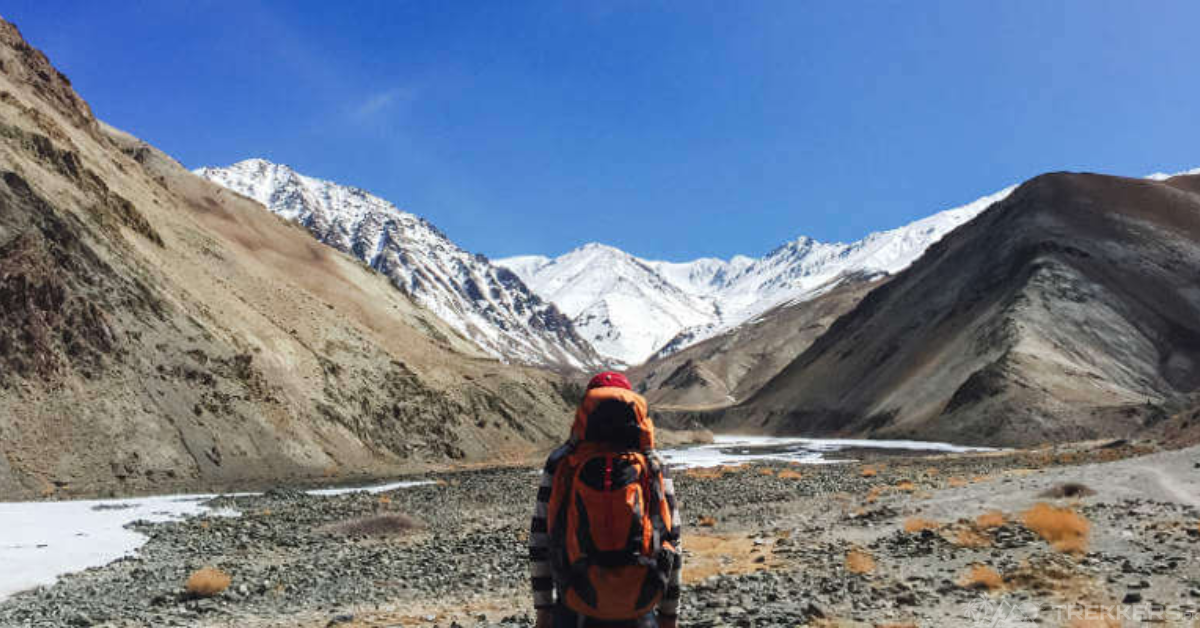
Though the Gasherbrum I is not primarily known for its culture, it still has one of the most impressive cultural heritage. This article will brief you about the incredible culture everyone is missing out on while visiting the Gasherbrum Range.
Discovered in the 19th century, the Gasherbrum I Mountain is situated in the northeastern region of the Karakoram Range, Gilgit-Baltistan. Standing at an elevation of 8,080 m, it is also the eleventh-highest mountain in the world. Other than being a prominent summit in the mountaineering world, it also has a rich and colorful culture. Thus, its ethereal beauty is truly remarkable.
The Balti people living in the vicinity of Gasherbrum I are bearers of a rich historical legacy. Tibetan and Central Asian countries have a high influence on them. The Balti people intertwine their culture, traditions, and festivals with the Gasherbrum I Mountain. You cannot just experience the culture and not fall in love with the breathtaking beauty of it all.
The Baltis occupy the region around the Gasherbrum Range, as evidenced by their unique tapestries, festivals, and cultural expressions. Their festivals are a representation of how firm they are about their customs and beliefs. The vibrant decorations, traditional music performances, and plays narrating the folklore surrounding the range are extremely fascinating. They reflect their communal harmony and brotherhood in their celebrations, which bring people of various communities together.

The Baltis align their religious beliefs with Tibetan Buddhism. They regard Gasherbrum I as a sacred mountain, which mesmerizes tourists and mountaineers with its spiritual significance.
The Gasherbrum I Mountain heavily influences the Balti people’s societal structure and day-to-day life. they live in this rugged yet beautiful mountain, isolated from the rest of the world. But that has only enabled them to foster a closely-knit community. The mutual understanding among the locals has shaped specific roles and jobs within the community according to everyone’s skills.
Gasherbrum I’s culture and society have also been revolutionized. It is because of the impact mountaineering and tourism have had in the region. The rapidly increasing flux of mountaineers and tourists willing to visit and climb Gasherbrum has improved the economy. As they have given various economic opportunities to the area.
Growing tourism has also led to the adoption of various cultural values and practices. This can affect the uniqueness of the Balti culture and its being different from a lot of cultures. While some of the locals are open to the idea of adapting to other cultures, others are not keen on compromising their customs and beliefs. To solve this, the government has made efforts to strike a balance among the people there so they can live with prosperity.
The Gasherbrum Range heavily influences the Balti people’s rich culture and heritage. The majestic mountains and the breathtaking scenery surrounding them have inspired the Balti people to create beautiful and intricate works of art and craft. They believe that Gasherbrum I is a symbol of divine power. So, the mountain holds a lot of significance for them.
The Balti locals are protective of the environment they have created. Their goal is to preserve the techniques and resources they use for the future. They conserve the methods and customs they’re already practicing. For this, they have taken actions to sustain the agriculture, economy, and customs to maintain the simplicity and spirituality of their culture.
In conclusion, the Gasherbrum I’s culture is the reason for the harmony among the Baltis. Their traditions, values, and love for nature give them a single purpose which is to sustain the culture along with economic progress.
Gasherbrum I Mountain’s culture is highly underappreciated. If you ever decide to climb Gasherbrum I, we highly recommend that you experience the culture as well.
Read this blog to know more about Gashebrum I, from its base camp to the summit.


