
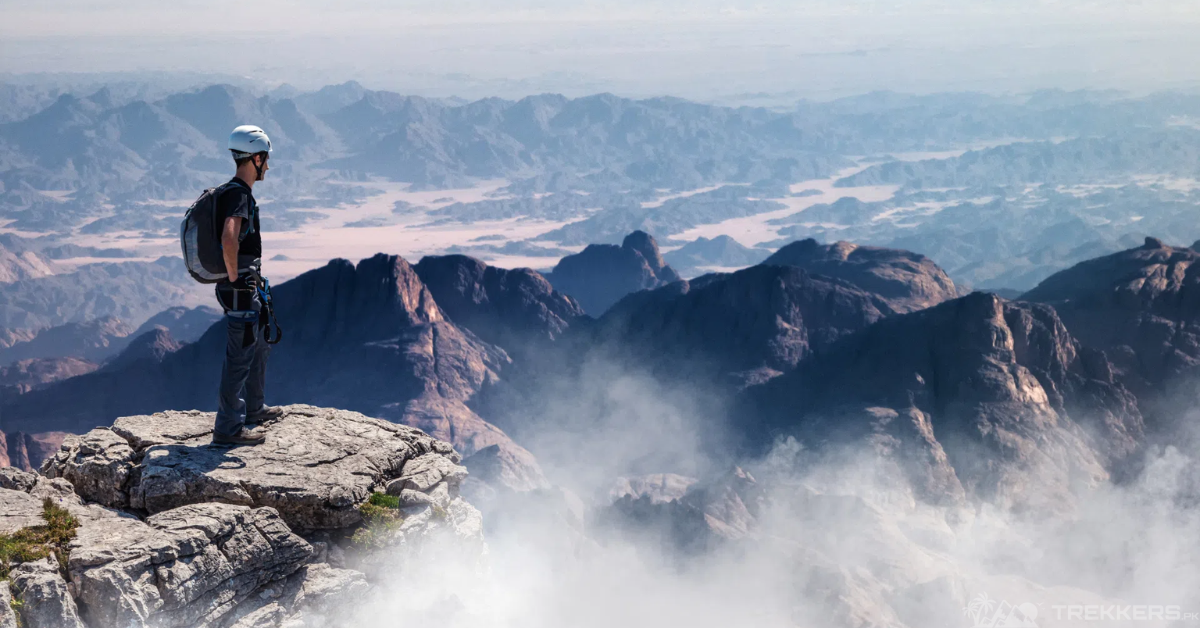
Mountain climbing is often thought of as a muscular task. No doubt it is! However, psychological research demonstrates that its impact extends far beyond the physical aspects and significantly improves a person’s mental health.
Are you curious about how mountain climbing contributes to mental health? Here are several ways that shed light on their profound psychological effects.
Increase Confidence:
Climbing to the top of a mountain requires diligence. You misstep many times, slip, and even get injured. But then, instead of giving up, you pull yourself together to move ahead; it is what reinforces confidence in you.
It gives you recognition to show your mettle and that you can also overcome hurdles and obstacles in your way. Climbing mountains boosts a person’s confidence.
Stress and Depression Reduction:
Research conducted by the University of Arizona revealed that climbing proves to be a cure for depression and stress among adults. It directs your attention and energy toward the milestone you need to achieve and distracts you from the ill thoughts that make you gloomy and worried.
Furthermore, the trek serves as an antidepressant as you make new friends due to sharing the same hard knocks. You develop a comradeship with fellow climbers, strangers become friends, and at the loneliest paths, you find someone to hold a hand and share a burst of laughter with.

Enhanced Resilience:
What if, during your summit push, you go astray? Shouldn’t you try to navigate to the right path? Or if you accidentally leave something important, does it signify reaching the summit without those things? And what if tragedy strikes along the way, then?
All these problems in the labyrinth of mountains are on your shoulders to confront and conquer, which fosters your capability to cope and surmount challenges that you may have once feared. You need to deal with that on your own, and thus, climbing unlocks the resilience in you.
Positive Thinking Approach:
Trekking towards mountains gives you mental positivity. The aura and vibe of nature slowly inject into your soul and compel the toxicity to exit your body.
Eventually, the inhalation of fresh breeze uplifts your mood and gives peace to your mind. Similarly, being proximal to the raw beauty of the earth diverts you from overthinking, anxiety, and mania.
The breathtaking landscapes encourage climbers to appreciate the beauty of the environment. It redirects your energies to the present moment of life where there is you, the universe, and the mountains.
Problem Solving Skills:
Problem-solving skills come into play when unexpected obstacles or adverse conditions are encountered, requiring quick, strategic decisions to overcome hurdles and continue the ascent.
The dynamic nature of mountain climbing cultivates an acute awareness of one’s physical and mental capabilities, leading to the development of sharper concentration, superior coordination, and adept problem-solving abilities, both on the ascent and descent of the mountain.
Emotional Control:
Stepping towards the top of the mountain, the view behind you can send shivers down your spine, while the sight of the peak ahead fills you with joy. At this moment, the fear of getting back to box one and the happiness of pursuing the top coexists and demands a delicate emotional equilibrium to make the next move.
This is proven by a study that reveals climbing helps people regulate their emotional control. Battling with the rush of emotions but not losing your sanity, you prevail, which becomes the ultimate challenge. It requires keeping yourself in control and making the right decision in the right direction.

Physical and Mental Health Connection:
Our body and soul are interspersed into one; if you prioritize and maintain mental health, the positive impact will be exhibited in our physical vitality. In pursuing mental attributes like courage, determination and accomplishments, mountain climbing also puts physical constraints on keeping your body strong and fit. Mountaineering contributes to multiple mental health benefits, which simultaneously affect physical well-being.
Personal Growth and Reflection:
Mountains provide a place for introspection, self-discovery, and soul-searching. Religious and Spiritual deities also spend time in the mountains to contemplate their meaning of existence. Thus, the mountainous landscape provides a background to connect your inner self.
Keeping yourself away from the chaos, hustle, and bustle of the world, mountains can be the ideal place to work on your mind and soul, something often overlooked in busy daily life.
The growth in your personal and physical demeanour is also a visible gift you have given yourself. In the peaceful solitude of the mountains, you gain the clarity to align your trajectory of life ahead, which is favorable for your physical and mental well-being.
In a nutshell, everything that contributes to your mental health increases your health and state of being happier. Following the route of climbing a mountain, manoeuvring between the high and low steeps, and treading into the lush valleys around the mountain lets you feel how nature generally bestows its remarkable benefits, promoting your well-being.
Need more reasons to opt for mountain climbing? Read this blog and get your answers: 10 Compelling ‘Whys’ Behind Mountain Climbing.


