
Climbing is a sport that requires efficient skills and training. Climbers live by the motto, “Prepare for the worst, hope for the best.” Before fully committing to the sport, you need to be confident and aware of what you might face during your ascent. Resilience, patience, and determination are the integral factors, among others, that will get you to the top of a mountain.
Mountaineering might seem aesthetic and easy for the world through pictures, but it is much harder than you might think. Staying in the cold and climbing for days, sometimes months, can affect your mental and physical health.
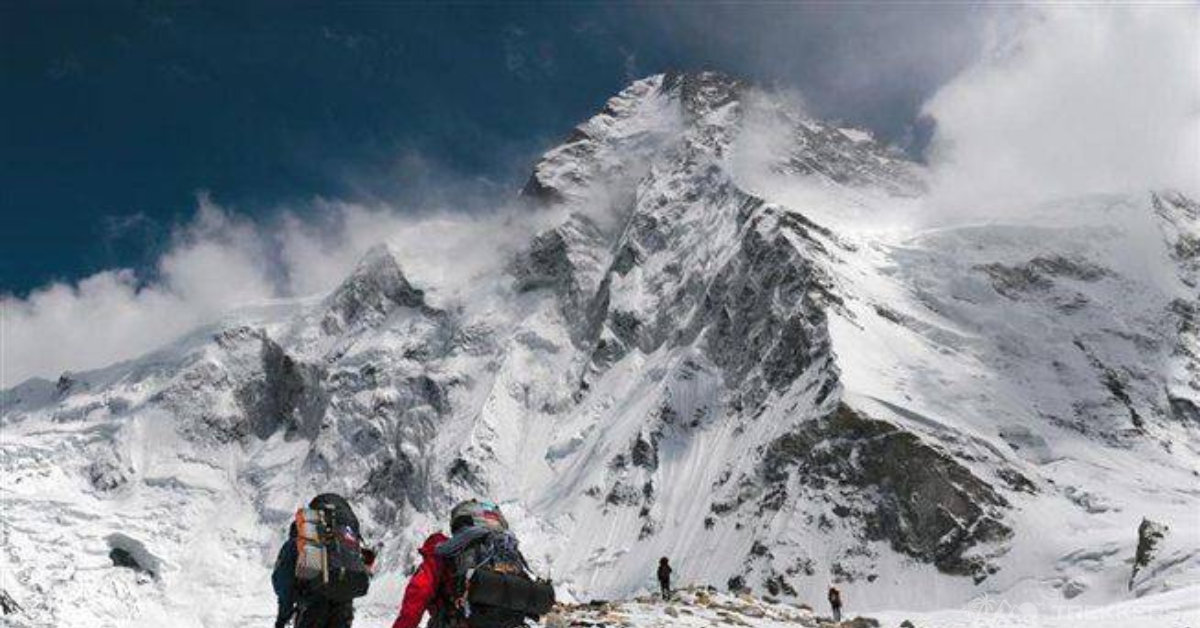
Located in the Karakoram Range, K2 is the second-highest mountain in the world, notoriously known for its grueling ascent. While climbing the k2, its challenging terrain, unpredictable weather, and constant rockfall and snowfall will challenge you not just physically but also psychologically.
A climber’s resilience, patience, and determination are all tested to their limits when climbing the K2. The mountain’s unforgiving slopes and frigid weather are the reasons why mountaineers cannot completely commit to reaching the summit. The ability to persist through uncertainties, fear, and exhaustion is an integral factor in having a successful climb.
Several interviews with exceptional mountaineers have revealed how they diligently prepare psychologically before proceeding with their journey. It is necessary to know how to process fear. While climbing a mountain, you need to be quick on your feet and also maintain focus amidst all the chaos. Psychological preparation will help you work under tremendous pressure and stressful situations as you face relentless challenges climbing K2.
K2, being at an elevation of 8,611 meters, is also a big factor that interferes with the human mind. This often leads to a range of psychological and physiological ramifications. Altitude sickness comes with symptoms like nausea, dizziness, and headaches, affecting the climbers’ immunity and taking a toll on their mental health. Acclimatization is the only solution to prevent altitude sickness.
Fear and anxiety are also two factors taken into consideration when you are doing something with so many unexpected turns. The unpredictability of the weather, natural calamities, and the duration of the journey can raise fear among inexperienced climbers. Being strong-willed and optimistic are the factors that will give you self-assurance that the fear will pass as you proceed further, conquering the challenges coming your way.

Climbing to the summit of a mountain like K2 can take months, isolating the mountaineers from the rest of the world. The isolation and extreme weather can take a psychological toll and affect the climbers severely, bringing their morale down. In this continuously challenging adventure, camaraderie, support of the team members, and inner resilience are what will help you make it to the top.
Amid all the hard work, climbing the treacherous terrain of K2, having a reliable and commendable team is what keeps you going. They are not only there to help you while climbing but also provide vital psychological support during intense moments. Through sharing burdens and helping each other, the extremely grueling ascent becomes easier.
Constantly facing the turmoil and downs wears you out, mentally and physically both. During this time, you need mental clarity, visualization, and positive self-talk to make yourself feel better through this tough time. By following these strategies, a climber can manage their fear, stress, and anxiety easily.
Ascending through the rocky terrains of K2 shows us the necessity of being mentally potent and a quick thinker. You need to have experience and know what is best for you during your ascent and how you can cope. These lessons will not only help you during climbing but can be helpful in your life too.
For more information, check this article out:
K2 Base Camp Trek Pakistan: The Complete Guide to Route, Cost, Difficulty & Best Time


